SCOTUS Clarifies How CBP Can Decide to Parole Green Card Holders for Prosecution
Center for Immigration Studies
cis.orgSummary
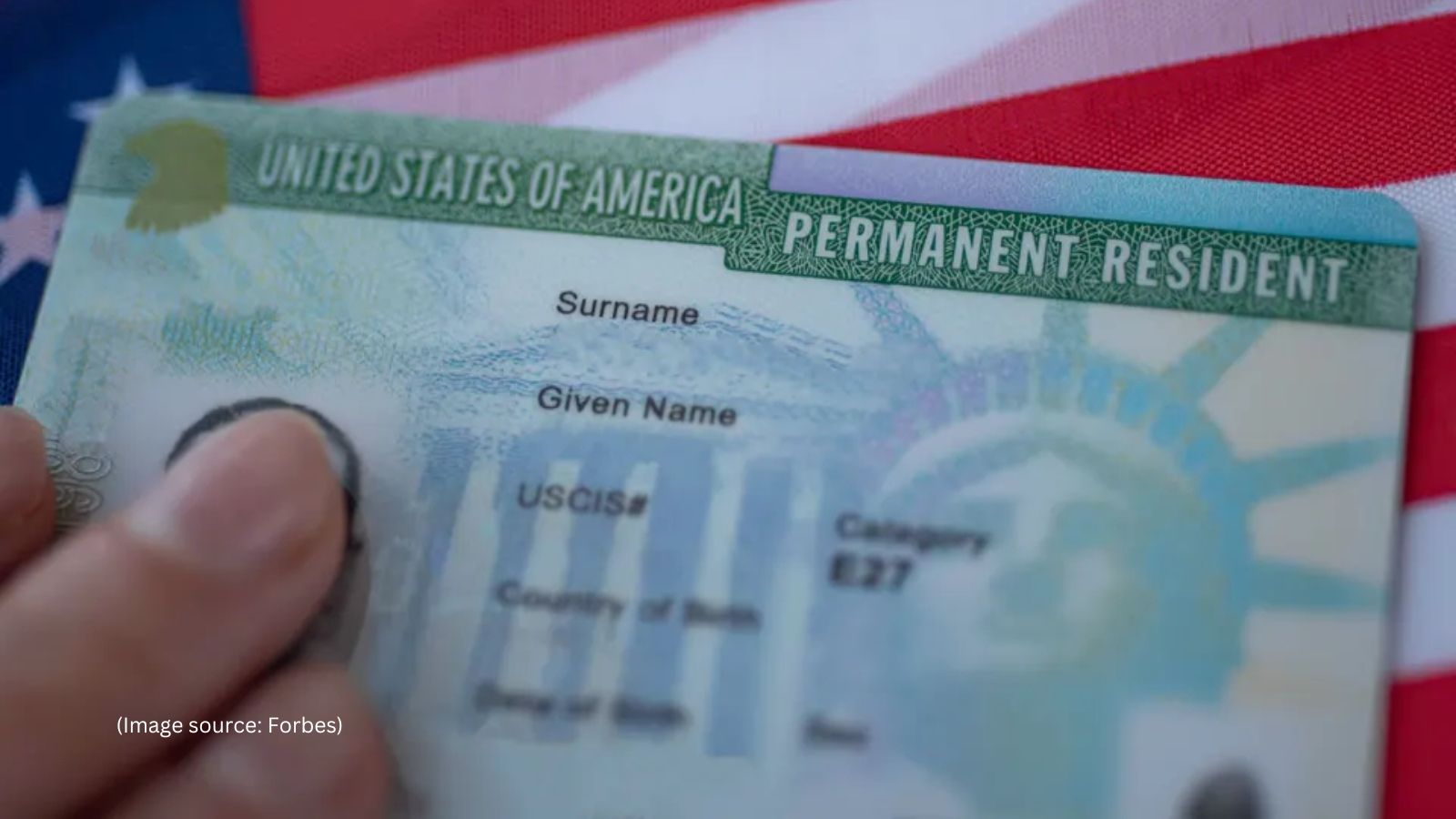
A s the Supreme Court’s 2025 session speeds to a close in advance of the July 4 th holiday, a number of immigration cases (most notably on “birthright citizenship” ) are yet to be decided. Lau , defining the burdens borne by DHS (Dept. of Homeland Security) when lawful permanent residents (“LPRs” or colloquially “green card holders”) appear at the ports seeking admission after they have committed criminal acts but before they are formally convicted. While those charges were pending, Lau left the United States and returned on June 15, 2012, when he was stopped by a CBP (border protection agency) officer at John F. Lau subsequently pled guilty to the state charge in June 2013, and just less than six months later, DHS placed him into removal proceedings and charged him as an applicant for admission who is inadmissible to the United States under section 212(a)(2)(A)(i)(I) of the INA. As noted, DHS placed Lau into removal proceedings after his conviction, and those proceedings are governed by the rules established by Congress in section 240 of the INA. The immigration judge found Lau removable as charged as an alien who hadn’t been admitted and who had been convicted of a CIMT, and the Board of Immigration Appeals (BIA) — the administrative tribunal in DOJ that reviews immigration decisions — dismissed his appeal. Lau then filed a petition for review with the U.S. Court of Appeals for the Second Circuit, and in March 2025 , the circuit court vacated the IJ’s removal order. The BIA in Matter of Valenzuela-Felix concluded that DHS “need not have all the evidence to sustain its burden of proving that the alien is an applicant for admission” when it paroles an LPR for prosecution, “but may ordinarily rely on the results of a subsequent prosecution to meet that burden in later removal proceedings” instead. This is likely one of the easiest Supreme Court opinions to summarize.
From the source
The Supreme Court’s opinion is dispositive on one crucial issue: The INA doesn’t impose a burden on CBP officers at the ports, “entrusted with making quick judgments on the spot”, to find by clear and convincing evidence that green card holders returning to face criminal charges are seeking admission before paroling them. That’s an issue best left to the courts, and CBP has enough to do already.
Read the full article
Published by Center for Immigration Studies on cis.org