US Supreme Court blocks Trump's Birthright Citizenship order: What it means for Indians
Livemint – News
livemint.com
Summary
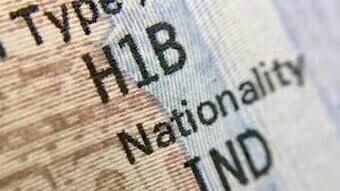
In a big blow dealt to Donald Trump, the US Supreme Court on Tuesday (30 June) struck down the president's executive order that intended to end birthright citizenship. The SCOTUS blow to Donald Trump's executive order on birthright citizenship also brings relief for the Indians who have been residing in the US on H-1B work visa visa. There exist no US immigration laws or visa regulations preventing H-1B visa holders, or individuals on other valid temporary visas, from becoming pregnant or giving birth within the United States. Those holding H-1B or other temporary visas must continue to independently maintain their own legal immigration status. An H-1B visa remains governed entirely by existing immigration regulations. Once selected through the H-1B lottery and subsequently approved, a worker typically receives a visa valid for up to three years. India does not permit full dual citizenship. A child born in the United States to Indian parents acquires US citizenship automatically by birth. While that child cannot simultaneously hold full Indian citizenship, parents retain the option of applying for an Overseas Citizen of India card, which grants lifelong visa-free travel to India along with broad residency rights. Trump's executive order had sought to end automatic US citizenship for children born to parents residing in the United States illegally or on temporary visas, including H-1B workers.
From the source
Birthright citizenship represents a 160 year practice granting citizenship to anyone born on American soil, a principle enshrined within the Constitution through the 14th Amendment.
Read the full article
Published by Livemint – News on livemint.com