A Troubling Milestone: Most Supreme Court Rulings Are Secretive Votes With Little Justification
ProPublica – Immigration
propublica.org
Summary
In its term that ended last October, the Supreme Court passed an important milestone that went unnoticed: For the first time, it decided more cases by secret ballot, and with few signed opinions, than it did for cases argued in open court. The Supreme Court’s increased willingness to bypass its regular process has empowered President Donald Trump at the same time as the administration has increased use of executive authority. The outcomes have been consequential: The high court has used the process to limit federal courts from issuing nationwide injunctions and diminished Congress’ authority over federal agencies, and it has allowed for the detention of American citizens by immigration agents . Representatives from the Supreme Court did not respond to a detailed list of questions. President Trump will not stop implementing the America First initiatives on which he was elected.” There are two ways to get a decision from the Supreme Court. The other is to petition the justices directly via the emergency docket — to freeze a lower court ruling or government policy while the case goes through appeal. The modern shadow docket was born in 2016 when the Supreme Court issued an emergency stay against President Barack Obama’s Clean Power Plan, experts say. Protests erupted nationwide, and the Senate held a hearing on the shadow docket. Until this past Supreme Court term, emergency applications fluctuated year to year but showed no clear upward trend. Three months later, the Supreme Court voted to allow immigration agents to stop people based on racial or ethnic characteristics while still-ongoing litigation against it proceeded.
From the source
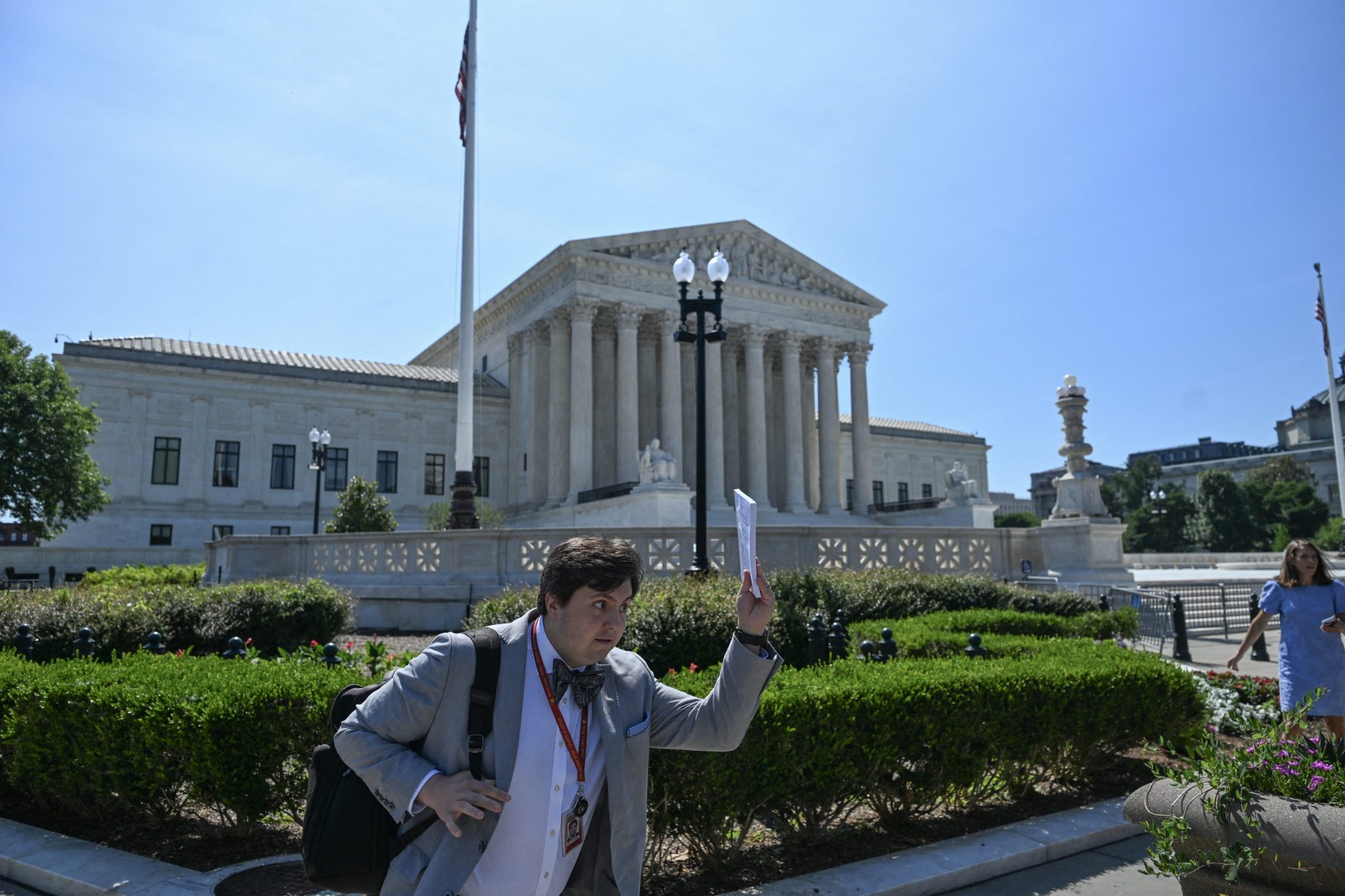
The Supreme Court is deciding more consequential rulings than ever before in secret, issued in unsigned orders with little to no justification. Bryan Dozier/NurPhoto via AP In its term that ended last October, the Supreme Court passed an important milestone that went unnoticed: For the first time, it decided more cases by secret ballot, and with few signed opinions, than it did for cases argued in open court. These decisions, which make up the court’s “shadow docket,” are a fast-track way to get a decision from the top court. They rarely include arguments, have limited briefings and have expedited timetables, and justices infrequently provide explanation of how they voted or to cite legal precedent. The Supreme Court’s increased willingness to bypass its regular process has empowered President Donald Trump at the same time as the administration has increased use of executive authority. The court has repeatedly green-lit policies of his that lower courts have blocked — and has done so w
Read the full article
Published by ProPublica – Immigration on propublica.org