SCOTUS upholds birthright citizenship. And, key results from Colorado's primaries
NPR – Politics
npr.orgSummary
Good morning. You're reading the Up First newsletter. Subscribe here to get it delivered to your inbox, and listen to the Up First podcast for all the news you need to start your day. The Supreme Court yesterday upheld the long-established right to automatic American citizenship for children born on U.S. soil, regardless of their parents' immigration status. The high court's decision rejects President Trump's most aggressive efforts to limit immigration in the United States. Chief Justice John Roberts, writing for the majority, traced the origins of birthright citizenship back to the nation's founding. Roberts said that just as the colonists demanded "the rights of Englishmen" more than 250 years ago, Congress amended the Constitution after the Civil War to ensure automatic citizenship for any child born on U.S. soil. Altogether, five justices signed onto Roberts' majority opinion, while a sixth, Justice Brett Kavanaugh, said he would have struck down Trump's executive order on birthright citizenship based on a 1952 law, but left open the possibility of Congress putting limits on babies born to people who are in the U.S. illegally or on temporary visas. Supreme Court Tasos Katopodis/Getty Images hide caption Yesterday's primary elections in Colorado resulted in several upsets. They reasoned that borrowers would OPT (work permit after graduation) for cheaper programs, prompting more expensive schools to lower their prices to stay competitive.
From the source
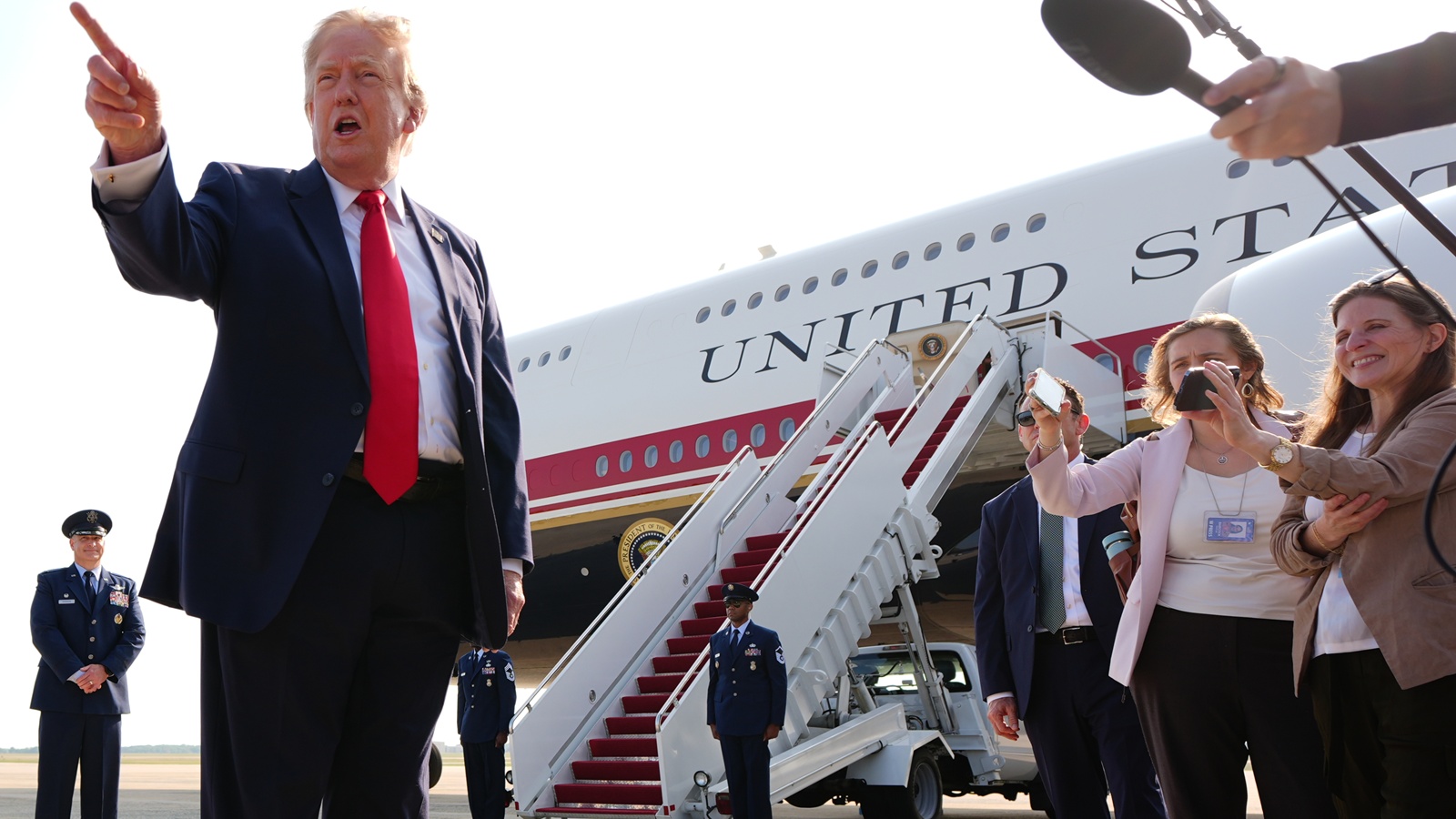
The Supreme Court upheld birthright citizenship on constitutional grounds on the last day of its term. And, a Democratic socialist has won the Democratic primary for a U.S. House seat in Denver. (Image credit: Tom Brenner)
Read the full article
Published by NPR – Politics on npr.org