General U.S. News1h ago
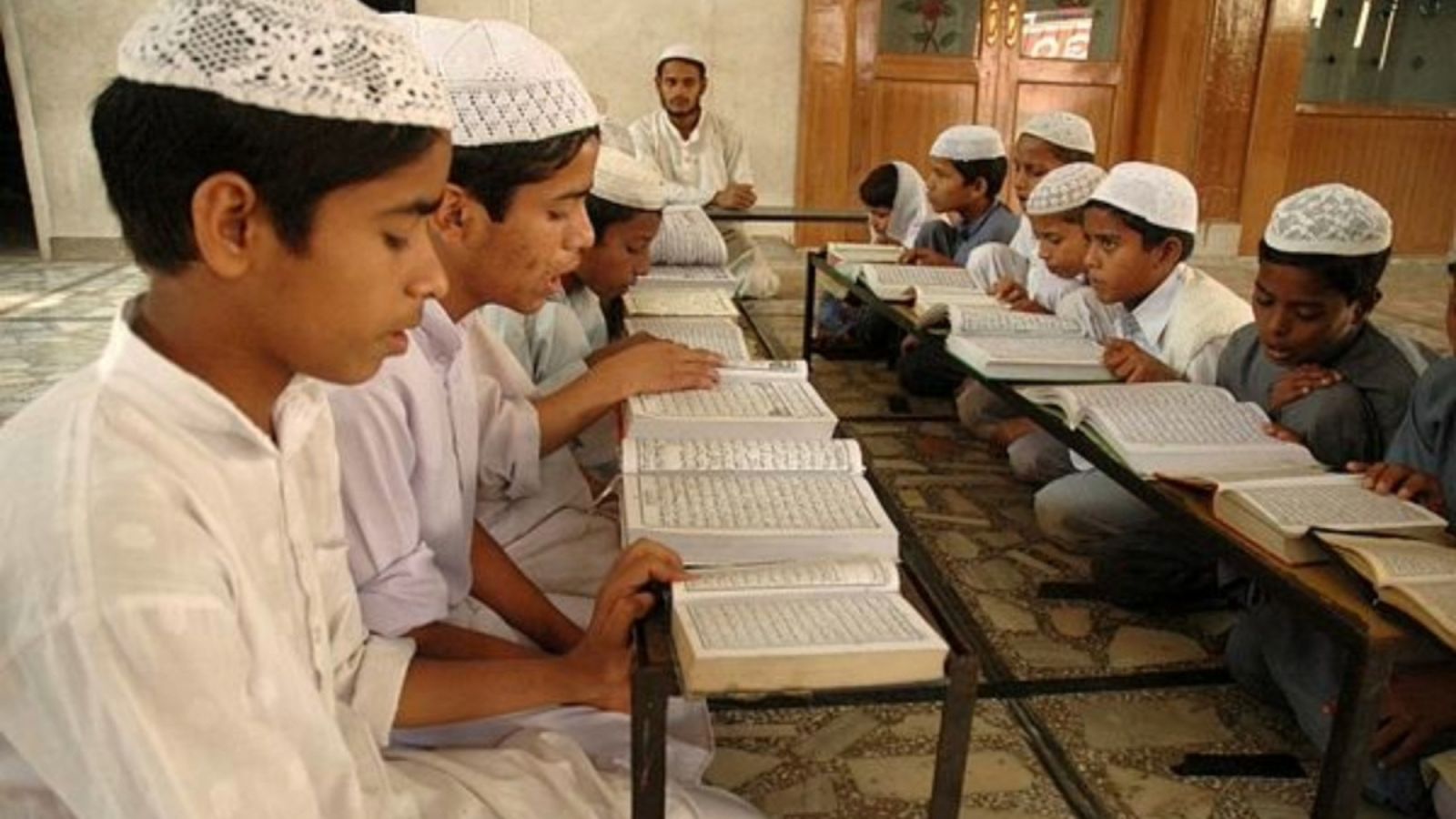
Uttarakhand Wednesday became the first state in the country to abolish its statutory Madrasa Board, replacing it with a Minority Education Authority that will regulate educational institutions run by all six notified minority communities. Under the new arrangement, educational institutions of all six notified minority communities, Muslims, Christians, Sikhs, Parsis, Jains, and Buddhists, would come under the category of minority educational institutions. The Uttarakhand State Authority for Minority Education (USAME), established under the Minority Education Act, 2025, was inaugurated by Chief Minister Pushkar Singh Dhami , Wednesday. Prior to this, madrasas were governed by the Madrasa Education Board Act, 2016, and the Uttarakhand Non-Government Arabic and Persian Madrasa Recognition Rules, 2019. This legislation stands repealed, as of Wednesday and has been replaced by the Minority Education Act, 2025, and Uttarakhand Minority Educational Institutions Recognition Rules 2026. The state currently has 452 registered madrasas, which were previously recognised by the Madrasa Board. At the Cabinet meeting when the Minority Education Act was passed, the preface to the Bill said: “Although Articles 29 and 30 of the Constitution of India grant minority communities the right to establish educational institutions of their choice, it is important to enact a law relating to minority education, keeping in view the welfare of minorities. The move comes after more than a year following the implementation of the Uniform Civil Code, which again made the state the first in independent India to bring in the code. The constitutional validity of minority educational institutions had earlier reached the Supreme Court, when the apex court in 2024 upheld the Uttar Pradesh Board of Madarsa Education Act 2004 as constitutional after it was held unconstitutional by the Allahabad High Court. “The (UP) Madrasa Act regulates the standard of education in Madarsa as recognised by the Board for imparting Madarsa education….is consistent with the positive obligation of the state to ensure that students studying and recognised Madrasas attain a level of competency which will allow them to effectively participate in society and earn a living” and “Article 21A (of the Constitution) and the Right to Education (RTE) Act have to be read consistently with the right of religious and linguistic minorities to establish and administer education institutions of their choice,” the CJI said while reading out the verdict. The court had said that “the right of religious minority to establish and administer to impart both religious and secular education is protected by Article 30” and “the Board and the state government have sufficient regulatory powers to prescribe and regulate standards of education for the Madrasas.” The court said that “while the Madrasas do impact religious instruction, their primary aim is education.” At the same time, the court had also held that the right of minorities to administer educational institutions is not absolute and the state has an interest in maintaining the standards of education in minority educational institutions and may impose regulation as a condition for grant of aid or recognition. “The constitutional scheme allows the state to strike a balance between the two objectives of…ensuring the standard of excellence of minority education institutions, and…preserving the right of the minority to establish and administer its education institutions.” Aiswarya Raj is a Senior Correspondent for The Indian Express, covering Uttarakhand.